Be yourself; Everyone else is already taken.
— Oscar Wilde.
This is the first post on my new blog. I’m just getting this new blog going, so stay tuned for more. Subscribe below to get notified when I post new updates.
Be yourself; Everyone else is already taken.
— Oscar Wilde.
This is the first post on my new blog. I’m just getting this new blog going, so stay tuned for more. Subscribe below to get notified when I post new updates.
By: Luke Frankel
Chapter 15 is all about health care, how we can attain it, how much it costs/is given, what we can do to figure out the best health care we need, and also what types of health care are necessary versus what types are truly elective.
“As the health care industry has become more sophisticated in seeking your business, so must you become more sophisticated in purchasing its products and services. Acting responsibly in times of illness can be difficult, but the person best able to act on your behalf is you” (Donatelle 350). This is important to note, you are always your biggest supporter. You need to stand up for your own issues and figure out the type of help you need, if you need any at all. Some times there are situations like with Covid 19 where you may be feeling ill, but not severely in danger. So in that case, you should stay home and take care of yourself while leaving the dangerously ill people, space in hospitals. This is only one example of self understanding when you are sick, but it is an important lesson that we are seeing a lot of this year. Another important point the chapter makes is about assessing the type of health care and health care provider you need. For instance, if you have issues with your stomach but you go to see a doctor who is a special in ear, nose, and throat problems, your issue will see no improvement.
There are different types of medicine, the kind we think of when we go to the doctor is allopathic medicine or western medicine, however, there are also other types called homeopathic medicine which is a little less defined. However, there have been many eastern practices for years that have seemed to help people, like balancing your Qi using herbal medicines and such. We need to keep an open mind when dealing with illness or injury, and not assume that only allopathic medicine works.
There are also therapies like hypnosis, which is considered a mind therapy. But among other therapies, called energy therapy, there are practices like acupuncture. Acupuncture is an old art where an acupuncturist places needles all over the patient’s body in certain areas to increase flow of Qi over certain energy “meridians” (Donatelle 362).
Lastly, and my most favorite version of mindfulness and recovery, is meditation. Every day I try to meditate for 10 minutes, where I think about everything going on in my life. The good, the bad, and what my hopes for the future are. If I can compartmentalize all of these factors and think about what they mean to me and how they make me feel, I have complete clarity and happiness, at least for a few moments. I think everyone should meditate once a day.
As for my health and wellness goals, this week I have done every single workout I planned to do. I also started playing music again on my guitar. It has been about a month or so since I had the optimism and creativity to just jam and play like I used to do. I have to say it is a really nice feeling that I greatly missed. I had a great time learning in this class, despite all of the issues concerning this pandemic. In a way however, I feel like I learned a lot about myself and the chapters in the book somewhat coincided with helping me feel better.

By: Luke Frankel
Chapter Fourteen is all about environmental health. I am going to talk to you guys about what the meaning of environmental health is, how we can plan to be more environmentally healthy, and also how my health and wellness has gone this passed week.
Environmental health is a mixture of a few different pieces that all come together to form how our society as a whole can sustain our life on this planet. The biggest of these dangers is overpopulation, where the world population grows to a point at which it cannot self sustain anymore. “Tomorrow’s population will be significantly larger and more industrialized, will consume more resources, and will produce even more waste than previous generations unless population growth is controlled and major changes in environmental policy and behavior occur”(Donatelle 332). The next biggest dangers are pollution of air and water, as well as global warming. Global warming is a result of pollution of the air, and as such it is important to talk about them together. “Global warming is a type of climate change in which average temperatures increase. Over 97 percent of scientists now agree that the planet is warming, driven largely by the burning of fossil fuels” (Donatelle 334). This is a scary thought, because even a one percent increase in the global temperature can be catastrophic for the world.
We can plan to be more environmentally healthy in a lot of different ways. As a society, we need to stop polluting the air with our immense fossil fuel usage. Air pollution is the biggest factor in the world’s global warming. “According to the National Aeronautics and Space Administration, the National Oceanic and Atmospheric Administration, and the National Research Council, climate change poses major risks to lives, and excess greenhouse gases (water vapor, carbon dioxide, methane, nitrous oxide, and ozone)” (Donatelle 338). This is scary, because we could all be contributing to a future where millions of people die as a result of our lack of planning.
Lastly, my own health and wellness goals this week have been well met. I have worked really hard to push myself out of bed and run or do sprints every other day. I have been keeping track of the food I have been eating and I am glad to say that I have been feeling better, mentally, and physically every single day. The semester is coming to an end and life is slowly going back to normal. Hopefully, the gyms will open back up soon and my life will get back to normal.

By: Luke Frankel
Violence is a scourge on our society that stems from a tribalism based past where we all fought to protect our “own” because we thought it was necessary. Luckily, we are all far more educated in today’s society, and unnecessary violence (for the most part) has been reduced. In this blog I want to talk about how we define violence and injury, what we can do to prevent the unnecessary death and injury from violence, and lastly how my health goals have been doing this week. “Aggressive behavior and anger are often key aspects of violent interactions. Primary aggression is goal-directed, hostile self-assertion that is destructive in nature. Reaction aggression is more often part of an emotional reaction brought about by frustration. Several factors increase the likelihood of violent acts” (Donatelle 309).
Homicide is a type of violence that is a leading cause of death in our age group (18-24). There are many types of violence, but for educational purposes I want to talk about intentional types; interpersonal, family, and collective. Interpersonal involves one person to another, say I did not like how “Bob” has been talking to me or his race, and I had a plan to hurt him. That would be interpersonal, however interpersonal does not just have to do with race, it can be gender, religious, or any other type of prejudice based. Family violence is exactly that, violence within a family. This is called domestic violence, or relationship based violence (called intimate partner violence). The other type of family violence is child abuse or neglect. Lastly, we have collective violence which is, “violence perpetrated by groups against other groups; it includes violent acts related to political, governmental, religious, cultural, or social clashes. Gang violence and terrorism are two forms of collective violence that have become major threats in recent years” (Donatelle 318).
After an act has been commited there is no way to reconcile it, especially if the act results in severe injury or death. The book talks about this saying,” For this reason, preventing a violent act is far better than recovering from it. Both individuals and communities can play important roles in the prevention of violence and intentional injuries. Assaults and threats can arise from in-person encounters, or they may develop from online encounters” (Donatelle 320). It is hard to predict how to prevent violence or injury, but the best way is to educate everyone on understanding different environments, situations, and how to best protect yourself. We also have to teach people to be more understanding and accept all different types of people. There are some people who are predisposed to have emotional issues, or are more prone to violent acts. It is our duty to help identify those people are help them control their urges while also teaching them to form the correct neural pathways in their habits.
As for my health and wellness goals, this past week I have had a really great outlook on life. My brothers have helped me take care of my parents and just being around them and talking to them has made me feel a lot better. Everyone is going through something tough right now. I have been able to workout by doing something, whether it is running or a bodyweight workout, every single day this week. I finally published all of my other blogs that I completed last week, and I feel good about the future of not only myself but our world as well. My goals may have changed and life may be different but I am happy with how everything has happened in my life this week. I don’t really know what to put for a picture considering my previous goal of increasing my ankle mobility has been put on hold without access to the tools necessary to improve it (gym equipment). I am excited to see what next week brings!

By: Luke Frankel
My goal for this blog is to talk to you guys about what infectious conditions are, how we can prevent from getting sick with a virus/bacterium, and how my wellness goals have been going these past few weeks.
On the first page of the chapter Donatelle says, “Pathogens can enter the body via several routes of transmission. They may be transmitted by direct contact between infected persons, such as during sexual relations, kissing, or touching, or by indirect contact, such as by touching an object that an infected person has touched. You may also autoinnoculate yourself, or transmit a pathogen from one part of your body to another. For example, you may touch a herpes sore on your lip, then transmit the virus to your eye by touch” (Donatelle 285). This is important to understand because we are constantly surrounded by bacteria, viruses, and other pathogens. There are so many different types of ways to inadvertently get pathogens in your body and there are a few sure fire ways to prevent them from getting you sick. A couple of these factors are well researched and the chapter talks about what we can do to improve our chances of staying healthy such as, “too much stress, inadequate nutrition, a low fitness level, lack of sleep, misuse or abuse of legal and illegal drugs, poor personal hygiene, and high-risk behavior significantly increase the risk for many diseases” (Donatelle 286). The best way to avoid infectious conditions are to not expose yourself to known dangers, such as sick people, unsanitary environments, and making sure you clean yourself whenever you put yourself in a bad situation or when you may have been exposed to something like feces, blood, etc. It is also important to understand the risk factors of sexually transmitted diseases. If you have been having sex without proper protection, a.k.a a condom or dental dam, or even if you take these measures, you should get tested to assure you are not as risk for developing STD(Is).
These past few weeks have been difficult on me. I talked about this in my last blog, however it is important to reiterate that everyone is going through tough times right now. I have been using the University’s online resources and communicating with academic coaching to get back on track. I feel more optimistic about the future, but still feel like all this work I have to do is piling up on me and it is really difficult. Luckily, my girlfriend (a nurse) is no longer COVID-19 positive and she has been back to work at her hospital for a week now. She said that the surge has finally ended and things are slowly getting back to manageable. As for my health goals, I have been having a hard time pushing myself to run or workout. I have been doing a couple sprints here and there along with some pushups, but going to this from working as a personal trainer and training for a few hours every day has been really hard on my mentality.

By: Luke Frankel
This blog I would like to talk about the main causes and risk factors for these diseases, what we can do to prevent them, and also how my health and wellness goals have been going these past few weeks.
Firstly, heart disease and cardiovascular disease are extremely similar but not necessarily the same. Heart disease involves mostly just the heart even though it affects the system around it, whereas cardiovascular disease involves the whole system as one. Cardiovascular disease is deadly and one of the biggest killers of Americans, as well as heart disease. If the heart has issues pumping or one its many parts (aorta, ventricle, atrium, valves, etc) it can lead to issues with oxygen getting to the parts of the body that need it. You can see how this would lead to many other problems.
Cancer is a dangerous overgrowth of cells in a specific area where cell replication becomes mutated and replicates incorrectly. Cancer is usually thought of as the tumors it can cause, however there are two types of tumors, malignant and benign. Malignant means the cancerous growth is bad and out of control, whereas benign usually means the tumor is contained and not dangerous. There are numerous types of cancer, ranging from blood cancer to skin cancer and everything in between. Cancer is dangerous not only because the area that has uncontrolled growth sometimes cannot function correctly, but also because the cancer can spread by metastasizing to other areas of the body.
Lastly, we need to talk about diabetes. “Diabetes Mellitis is actually a group of diseases, each with its own mechanism but all characterized by a persistently high level of glucose (sugar) in the blood. High blood glucose levels (known as hyperglycemia) can lead to widespread damage in the body. Serious health conditions related to diabetes include heart disease, stroke, failure of wounds on extremities to heal (leading to infection and amputations), nerve damage, kidney failure, liver damage, and blindness” (Donatelle 279). Diabetes strikes close to home for me, my father has had type 2 diabetes for 30 years now among many other issues with his kidneys, sleep apnea, gout, etc. Diabetes has two types, type one and type two. Type one is diagnosed at birth, whereas type two is attained later on in life, usually due to poor lifestyle choices. The best way to prevent all of these issues is to understand your genetic factors at play, how your lifestyle choices are affecting these risks, and staying in the best physical shape you can.
Lastly, these past few weeks much like everyone else I have been dealing with a ton of coronavirus related issues. It has been hard to even get out of bed some days, and taking care of my elderly parents has left a strain on me that has left me drained and full of malaise. It is not an excuse but school has definitely taken a backfoot lately which has been bothering me greatly. My goal is to improve every week and finish these blogs that I have missed as well as the school work in other classes I have unable to complete.

By: Luke Frankel
Chapter 10 is all about fitness, and I am going to tell you guys what defines fitness, how you can become more “fit”, and my own personal experience with fitness.
Fitness is defined “Physical fitness”, ” a set of health- and performance-related attributes. These attributes—cardiorespiratory fitness, muscular strength and endurance, flexibility, and body composition—allow us to perform moderate- to vigorous-intensity physical activities on a regular basis without getting too tired and with energy left over to handle physical or mental emergencies” (Donatelle 229). It is important to define what fitness is because there are so many different definitions of it out there. If you talk to a tennis player they’ll tell you something objective like, “fitness is the ability to be able to play a whole match of tennis without letting your fatigue affect your game”. You could ask a basketball player or football player the same question and you’d get two different answers.
Now for how you can become more fit. It is hard to define what fit means in every specific aspect but the book has a solid definition. “The FITT prescription for cardiorespiratory fitness includes 3 to 5 days per week of vigorous, rhythmic, continuous activity at 64 to 96 percent of your estimated maximal heart rate for 20 to 60 minutes” (Donatelle 238). Like I said before it is hard to define fitness for every single sport or activity, but cardiorespiratory fitness is a great place to start.
Lastly, my own experience with fitness has had its own shares of ups and downs. I started off as a young obese boy trying to teach myself how to layups on a basketball hoop because I always loved watched NBA games. I was extremely out of shape but I had a dream and had no idea how to achieve my goal of playing on a team. It took a long time and a lot of good and bad information through books and the internet to teach myself how to get better. This introduction into fitness through basketball has led me into a much larger career of playing football, track and field, becoming a personal trainer, and competing in power lifting.

By: Luke Frankel
Weight management and body image are commonplace topics that we see in everyday society. Whether it is through media talking about the obesity epidemic in America or the body image norms we see portrayed on TV.
Firstly, we need to start at a young age to understand how obesity starts and stays in humans. “Nearly 55 percent of obese children are still obese in adolescence, and 80 percent of obese adolescents will be obese adults—with 70 percent of those continuing to be obese after age 30” (Donatelle 204). This statistic is staggering, showing that obesity is truly a lifelong issue, and can lead to the same condition being taught and shown to their children as well which may in turn lead to the same cycle. Our obesogenic environment tends to push this condition on us, and education is by far the most important factor in preventing obesity based death.
Secondly, it is important to show that there are both genetic and lifestyle choices that impact obesity risk. “According to data from the 2016 National Health Interview Survey, slightly more than 52.8 percent of adults age 18 and over in the United States met the guidelines for aerobic activity through involvement in leisure-time activity. Just over 22 percent met the minimum guidelines for both aerobic exercise and muscle strengthening” (Donatelle 208). This is important because while genetics cannot be changed, our physical activity levels can be, as well as our diets.
Lastly, I would like to talk about my own physical activity and personal experience with obesity. I was an obese child growing up, my brothers and I ate way too much fast food and sugar filled foods. We barely exercised and we knew nothing of proper nutrition or required exercise. I had to teach myself the basics of calorie counting and macronutrient partitioning, among other things like physical activity level. I was an overweight 12 year old weighing about 210 lbs at 5’6, and my brothers were far worse off than I was. I knew we had to do something so we worked at it and tried to educate ourselves. I am glad to be where I am today because of it.
By: Luke Frankel
Chapter 8 is about nutrition. Nutrition is comprised of everything related to the body and its nutritional needs. Nutrition covers everything from macro and micronutrients, to all of the digestive processes and otherwise.
The first important topic this chapter talks about is the digestive process, involving a six step process that starts and ends exactly how you would expect it to. Starting with food entering the mouth and saliva breaking down some of the carbohydrates. Eventually you can imagine how it ends, with food passing through the esophagus, stomach, small intestine, large intestine, and the now waste exiting through the rectum. This is the most basic version of the digestive process but it is so important to note because without this digestion, nutrition as we know it would be useless.
The second most important topic is about the macronutrient Fat. Fat is one of three macronutrients, the other two being carbohydrates and protein. Fat gets a bad wrap because of media attention and poor education. Fat is essential in every diet to some degree and is important for healthy hair and skin among many other bodily processes. There are so many different types of fats, saturated, unsaturated, trans, mono-unsaturated, the list goes on. Fat gives 9 kcals per gram is the highest caloric value per gram out of the macronutrients. “Triglycerides, which make up about 95 percent of total body fat, are the most common form of fat circulating in the blood. When we consume too many calories from any source, the liver converts the excess into triglycerides, which are stored throughout our bodies” (Donatelle 187).
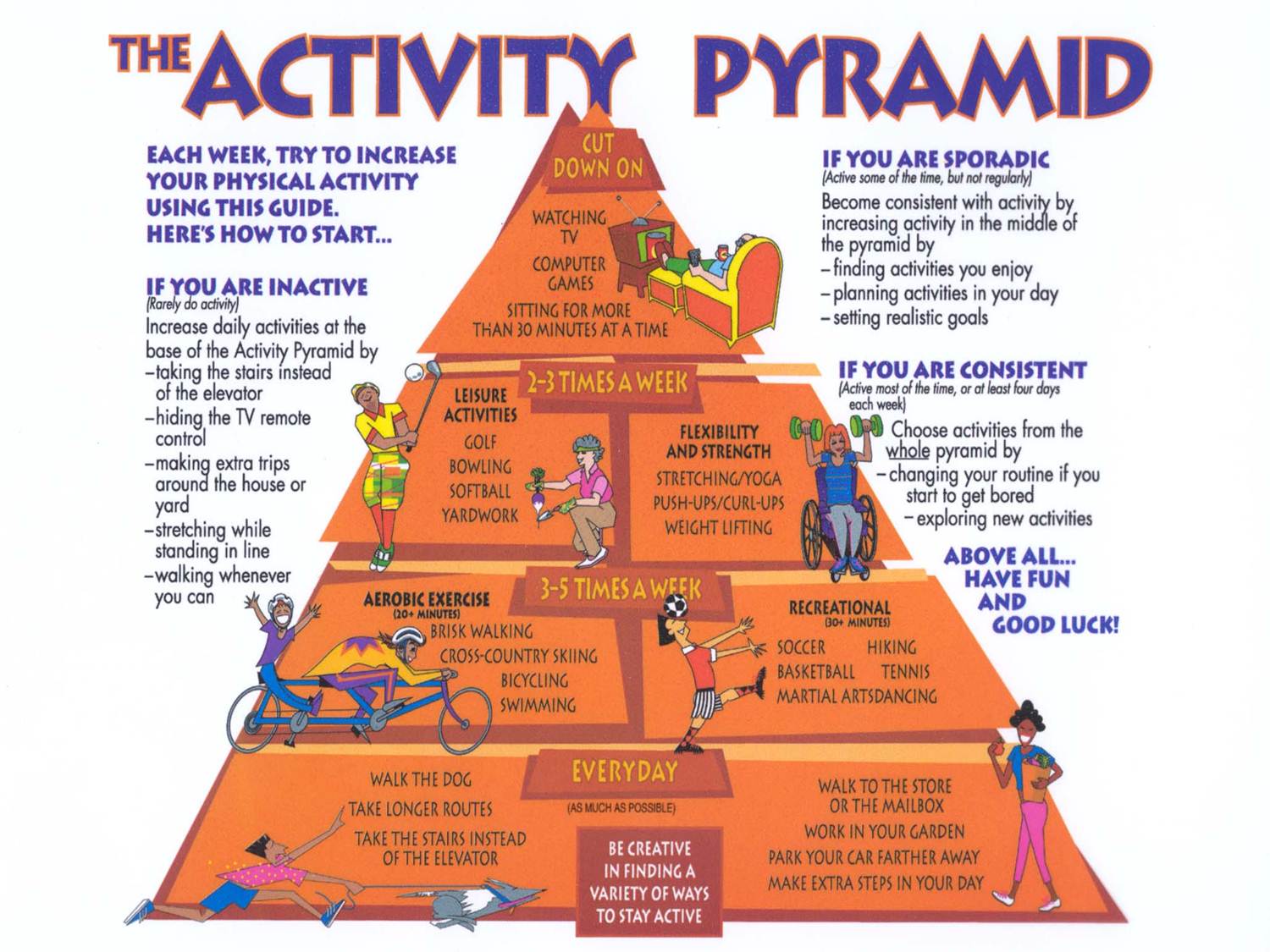
The last topic I want to talk about is physical activity. Most people think of nutrition and they think of the food they ingest. However in the book it is noted that physical activity is just as important as the food you put into your body. “Strive to be physically active for at least 30 minutes per day, preferably with moderate to vigorous activity levels on most days. Physical activity does not mean that you have to go to the gym, jog 3 miles a day, or hire a personal trainer. Any activity that gets your heart pumping (e.g., gardening, playing basketball, heavy yard work, brisk walks, swimming, or dancing) is a good way to get moving” (Donatelle 195). Try to get moving every day or atleast once every few days and you will feel better and your body will process the food you eat much more effectively.
By: Luke Frankel
Hey guys, these past few weeks has been absolutely insane regarding all the stuff going on around the world and in my life. School has been tough and I’ve been dealing with a lot of issues finding motivation in my life. This week we learned about Alcohol and Tobacco’s deleterious effects on the body.
The first thing I want to talk about on this subject is that alcohol and tobacco have been used for many years as recreational “drugs”, self medication, medications ,etc. Tobacco as of late has been under fire for hiding research suggesting it is dangerous, and also pushing an addiction on people. “36 million Americans age 18 and older reported having used tobacco products (cigarettes, cigars, smokeless tobacco, and pipe tobacco) at least once in the past month” (Donatelle 152). Tobacco is highly prevalent in our society, and alcohol is much the same.
The second topic I want to mention is the danger of alcohol among college students. This quote speaks volumes, “In the last year, nearly 33 percent of college students who drank reported doing something they later regretted; 28 percent forgot where they were or what they did due to intoxication; just over 21 percent had unprotected sex; and 12.4 percent accidentally injured themselves” (Donatelle 154). These facts are staggering, and as a student I can attest that these experiences are not false whatsoever. If you are not the statistic, you know someone who is or was. We need to take these facts with seriousness and show others than binge drinking and alcohol poisoning are serious problems, especially in campuses.
The last topic I want to speak about is tobacco usage, specifically the horrible effects it has on your body. According to the book ,”Lung cancer is the leading cause of cancer deaths in the United States. The American Cancer Society estimates that tobacco smoking causes 90 percent of all cases of lung cancer in men and 78 percent of cases in women” (Donatelle 172). Those statistics are horrible especially when you learn that there are roughly 1,200 deaths A DAY from tobacco related cancer. Anecdotally, I have seen many anti-tobacco adds since I have been young, and the frequency seems to be increasing. However, there are still so many new cases of tobacco related cancer, and it is highly preventable.
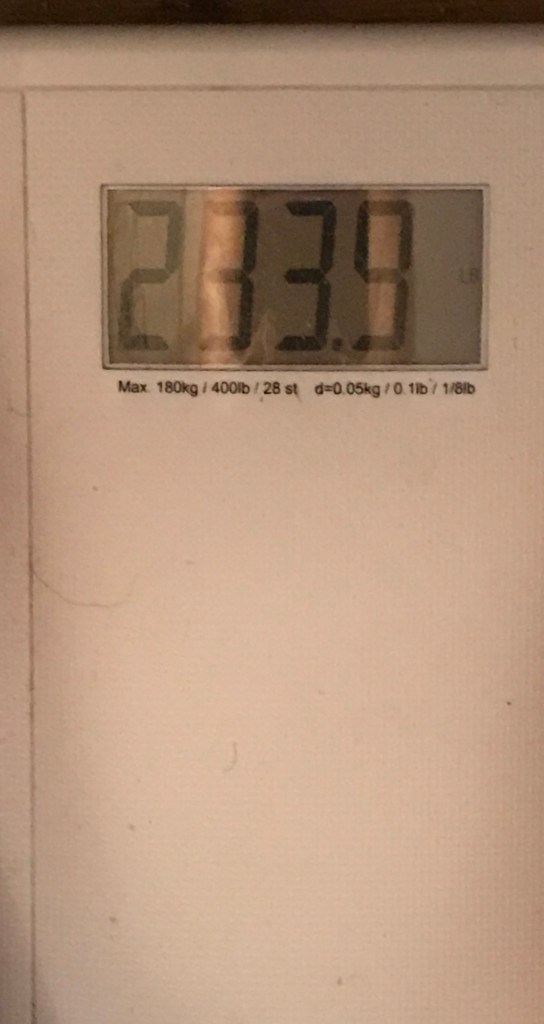
This week my goals have not been met. I gained a bunch of weight since the quarantine started and I have not been able to focus. My parents are older and have so many medical health issues that we have to be extremely safe about even just the groceries I bring back for them. The stress has been at an all time high and I’m just trying to hold on without the stress relief of the gym. I have not been able to really work on my ankle mobility because I do have the required resources like bands and platforms at home.
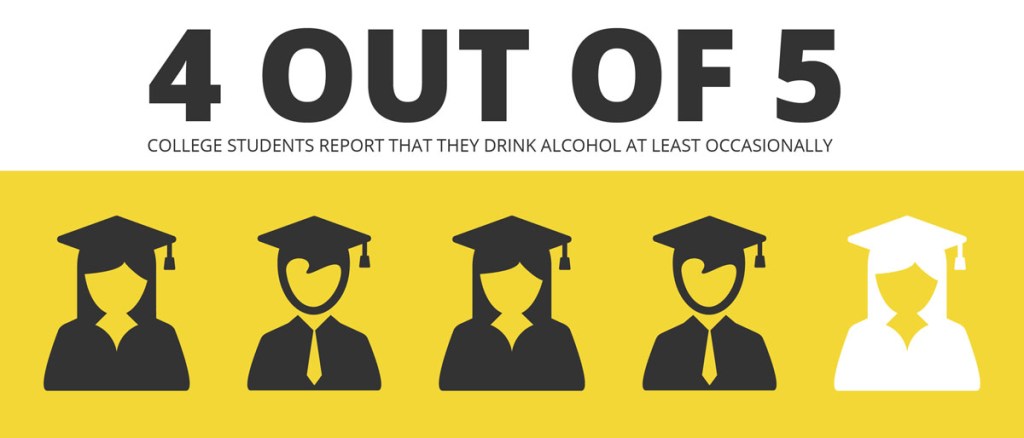
This is not my photo, but I could not think of anything to post right now. At least it can be something that gets my point across.
By: Luke Frankel
“Some researchers speak of two types of addictions: substance addictions (e.g. alcoholism, drug abuse, and smoking) and process addictions (e.g. gambling, shopping, gaming, eating, and sex)” (Donatelle 131). This chapter is all about addiction, defining what it means, the different types of addiction, the physiological and psychological aspects, and also how we deal with it in our daily lives. The first type I want to talk about is process addictions. Process addictions are named as such because they involve people becoming dependent on the chemical rush that their behavior brings, rather than direct drug or substance use. For instance, the text talks about gambling addiction, and this is something I have dealt with in my immediate family. It can be just as harmful as chemical or substance addiction, along with the cost to others as well.
Another type of process addiction that I need to talk about because it is so prevalent is technology addiction. This encompasses everything from usage of certain websites, to specific social media outlets. I see this daily, and I am conscientious of my own usage as well. Today we all use our smart phones constantly, there are even laws to prevent them being used while driving, as ridiculous as that may sound, because it is so common. However, the addiction is far too real, and many people have lost their lives as indirect and sometimes direct results of this.
The second type of addiction is substance addiction. This is the type you hear about all the time, for good, and for bad reasons. We have an epidemic of drug abuse in our country, specifically Opioid abuse. Much like process addictions, chemical addictions affect the pleasure center in our brains. After chronic substance abuse, our cells biology and structure can permanently change. This is why so many people suffer from relapses and other compulsive behavior involving drugs. They become a need, rather than just a choice of wanting to get high. Different drugs work in different ways, some drugs have similar chemical structures to dopamine and other neurotransmitters, so they can get into our systems much easier. Others block neural messages, some increase the concentration of neurotransmitters in our synapses, and others cause neurotransmitters to be released in greater amounts.
There are tons of ways to take drugs, each having (Mostly) multiple different methods and concentrations. However, there are also combinations of drugs that can cause a myriad of different effects. For instance, you can take cocaine and heroin at the same time, but they have opposite effects on your body. As such they will interact and cause a different outcome than they perhaps would on their own. This can be EXTREMELY dangerous, and this is a common way that people overdose and die. However, it is not just illegal drugs that cause health issues. People abuse over the counter medication all the time, and sometimes it can be worse. I know some people drink Nyquil like it is a beverage and that can cause serious liver and kidney issues because of the active ingredient, dextromethorphan.
The last topic I want to talk about is arguably the most important, now that we know about all of these drugs and what they do. What do we do when we know someone is addicted or abusing them? The answer is that it is not very clear cut. There are many options, but all of them still require a lot of support and a lot of hard work from the user. First you have to make the person with the addiction understand that they have one, this is the same for both chemical addiction and process addiction. You can do this through interventions, and moral support. As for the treatment it all depends on what the issue is, for certain drugs and behaviors there are rehabilitation centers, other times they use medicinal treatments for people with issues such as alcohol abuse. Despite all of these treatments, it is still immensely hard for those who have addiction, and we have to support our friends and loved ones through it, despite how hard it is for everyone involved.
Lastly, I’d like to talk about my week and my goals. This week I went back to the gym for the first time in about 5 days. I was sick and did not feel up to doing anything for a long time. However, now I feel ready to push myself again and keep working towards my goal. Setbacks happen, however having a good mindset will always bring you closer to your goals. Despite being sick, and losing roughly 8 lbs in a few days. I am now re-filling my body with glycogen and hydrating myself back up to where I need to be. I am still trying to lose body fat, but I need to make sure my body is healthy again before I focus solely on that.

 Luke's Wellness Blog